Antivirus Software
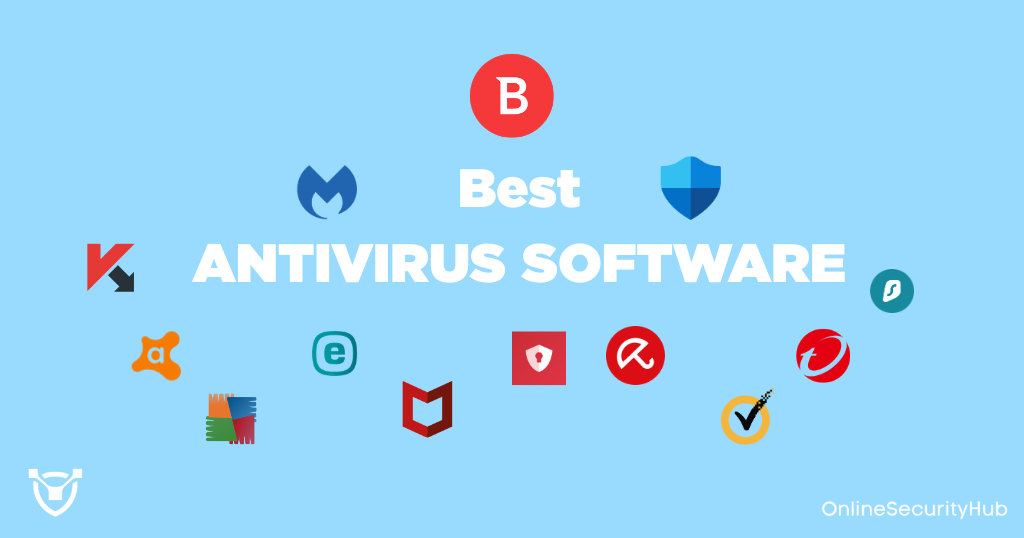
Gen Digital owns Norton, Avast, AVG, and Avira, so several big “competitors” share one parent company. Avast sold browsing data through its Jumpshot subsidiary and paid a $16.5 million FTC fine in 2024. Most “top 10” antivirus lists rank by commission, not lab results. I run Bitdefender for its AV-TEST and AV-Comparatives scores, and Windows Defender is a solid free baseline. Check lab scores, parent company, and data practices before you install software with deep access to your system.
Bitdefender
What I actually use after a decade of testing. 99.97% detection, 16-minute scans, barely touches CPU/RAM. EU-based with GDPR compliance, no data-selling scandals. $60 first year, $100 renewal (honest 67% increase vs competitors' 200%+ jumps).
Malwarebytes
Best for cleanup jobs and removing existing infections. Catches PUPs and adware that traditional antivirus misses. Too slow for primary protection (2+ hour scans), but unmatched for thorough removal. $45/year.
Microsoft Defender
Free and built into Windows. 99.8% detection with 6/6 performance scores. If you practice basic security hygiene (don't click suspicious links, keep software updated), Defender provides legitimate baseline protection at zero cost.
Norton 360
Technically solid (99.97% detection) with unlimited VPN. Shows up in every "best of" list because of affiliate commissions, not superiority. 140% renewal increase. Works fine, but you're paying for brand name.
McAfee
Pre-installed bloatware that people compare to Internet Explorer. First thing users do with a new laptop is uninstall it. 200% renewal increase ($40 to $120), 1.3-star TrustPilot rating, 1,200+ BBB complaints (highest among all vendors).
TotalAV
Most expensive renewal tested at 231% increase ($39 to $129). Difficult cancellation process that generates consistent complaints. High false positive rates train you to ignore warnings. TrustPilot rating, BBB complaints and Reddit warnings on aggressive review process.
Avast & AVG
Perfect detection scores ruined by the 2020 FTC data-selling scandal. Collected user browsing history through Jumpshot subsidiary and sold it to Google, Microsoft, and other advertisers. Shut down Jumpshot after exposure but never disclosed full scope of data collection. Both products still collect telemetry with privacy policies referencing undefined "trusted partners." Free antivirus isn't free when you're the product being sold.
Kaspersky
Would be top-tier based purely on performance (99.98% detection, perfect AV-TEST scores, fastest scans), but U.S. government banned it in June 2024 due to national security concerns. No sales or security updates for U.S. customers since September 29, 2024. Headquartered in Moscow under Russian government jurisdiction.